
General Dental Services
Broken Tooth Treatment in London, Ontario
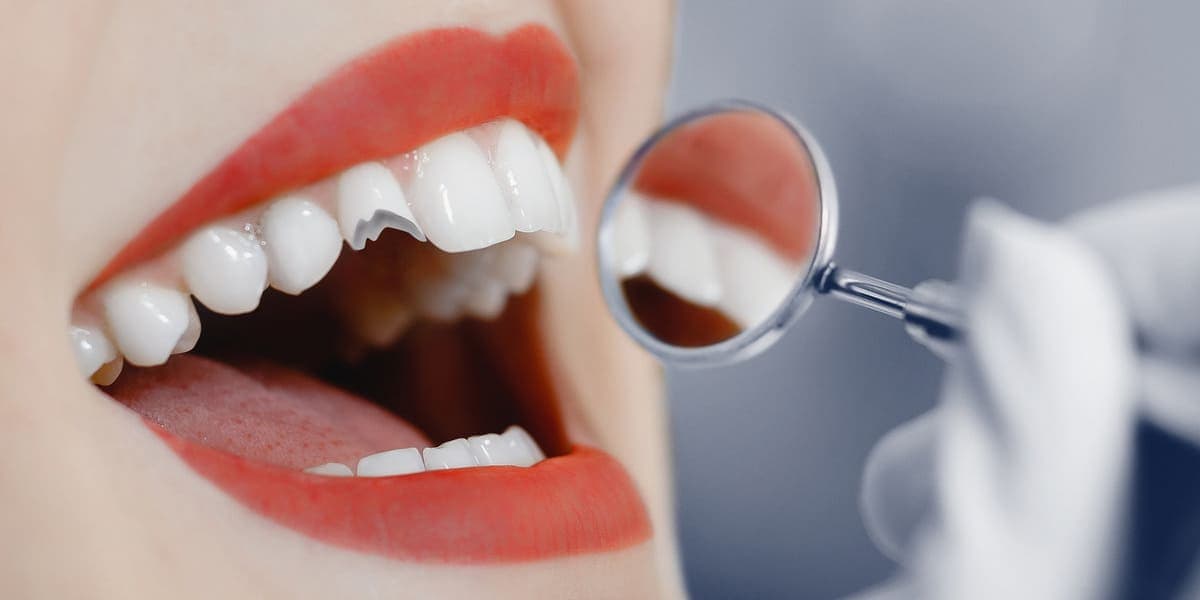
A broken tooth can happen suddenly from an accident, biting into hard food, sports injuries, grinding, or untreated decay. Whether your tooth is chipped, cracked, or severely fractured, prompt treatment can help relieve discomfort and reduce the risk of infection or further damage. At Wortley Road Dental, we provide broken tooth treatment in London, Ontario, with personalized care designed to restore the strength, function, and appearance of your smile.
If you are experiencing pain, swelling, sensitivity, or a damaged tooth, our team can assess the situation and explain your treatment options clearly. Call (519) 672-4310 to schedule an appointment or request urgent dental care.
What Is a Broken Tooth?
A broken tooth is any tooth that has been chipped, cracked, fractured, or structurally damaged. The severity can range from a small cosmetic chip to a deep fracture affecting the nerve or root of the tooth. Broken teeth may occur because of:
- Accidents or trauma
- Biting hard foods or ice
- Teeth grinding or clenching
- Sports injuries
- Untreated cavities
- Large old fillings
- Weak or worn enamel
Some broken teeth cause immediate pain, while others may only create sensitivity or rough edges at first. Even small cracks can worsen over time if left untreated. If the damage is severe or painful, you may need prompt evaluation through our dental emergency services.
Why Professional Cracked Tooth Repair Matters
A damaged tooth does not usually heal on its own. Cracks can allow bacteria to enter deeper parts of the tooth, increasing the risk of infection, nerve damage, or tooth loss.
Professional broken tooth treatment can help:
- Restore tooth strength
- Prevent worsening fractures
- Relieve pain and sensitivity
- Improve chewing function
- Protect the tooth from infection
- Restore a patient’s smile
At Wortley Road Dental, we focus on preserving natural tooth structure whenever possible while recommending practical long-term solutions based on the extent of damage.

Types of Broken Teeth
Different types of tooth damage require different treatment approaches.
Chipped Tooth
A chipped tooth usually affects a small portion of the enamel. Minor chips may not cause pain, but can affect appearance or create rough edges.
Small chips are often repaired with:
- Dental bonding
- Tooth reshaping
- Veneers in some cosmetic cases
For cosmetic repairs, some patients may benefit from dental bonding.
Cracked Tooth
A cracked tooth involves a deeper fracture line that may extend into the inner tooth structure. Symptoms may include:
- Pain when chewing
- Sensitivity to temperature
- Intermittent discomfort
- Difficulty biting down
Treatment depends on how deep the crack extends and whether the nerve is affected.
Fractured Tooth
A fractured tooth may involve larger structural damage from trauma, decay, or weakened enamel. More extensive fractures sometimes require crowns, root canal therapy, or extraction if the tooth cannot be restored predictably.
Split Tooth
A split tooth occurs when a crack progresses to the point of dividing the tooth into separate sections. These cases are more serious and may not always be fully repairable.
Broken Tooth Treatment Options
The best treatment depends on the location, size, and depth of the damage.
Dental Bonding
For smaller chips or cosmetic damage, tooth-coloured composite bonding may restore the shape and appearance of the tooth.
Bonding can:
- Blend naturally with enamel
- Repair small fractures
- Improve appearance quickly
- Preserve healthy tooth structure
Dental Crowns
When a tooth has significant structural damage, a dental crown may help protect and reinforce it.
Crowns are often recommended when:
- A crack weakens the tooth
- A large filling has failed
- Significant enamel is missing
- The tooth risks breaking further
Crowns cover the visible portion of the tooth and help restore chewing strength and durability.
Root Canal Therapy
If a crack or fracture reaches the nerve, infection or inflammation may develop inside the tooth. In these cases, root canal therapy may be needed to remove infected tissue and preserve the tooth structure.
Signs the nerve may be affected include:
- Persistent throbbing pain
- Severe sensitivity
- Swelling
- Pain that wakes you at night
Tooth Extraction
In some severe cases, the tooth may not be restorable, and extraction may be recommended. If this happens, we can also discuss replacement options such as bridges, dentures, or implants.
Is Broken Tooth Treatment Right for You?
You should schedule an evaluation if you:
- Chipped or cracked a tooth
- Have pain when chewing
- Notice sharp tooth edges
- Feel sensitivity to temperature
- Have swelling near a damaged tooth
- Recently experienced trauma to the mouth
- Have a loose or fractured filling
- Think part of a tooth broke off
Even if the damage seems minor, small cracks can worsen over time under normal chewing pressure.
Call (519) 672-4310
for same-day broken tooth care, or schedule your visit online.
What to Expect During Broken Tooth Treatment
Here is what a typical visit to Wortley Road Dental may involve.
1. Examination and X-Rays
We examine the tooth visually and may recommend X-rays to evaluate the root, nerve, and surrounding structures.
2. Diagnosis
Your dentist determines the extent of the damage and whether the crack involves the enamel, inner dentin, or nerve.
3. Treatment Planning
We explain your treatment options based on the fracture’s severity, cosmetic concerns, and long-term tooth stability.
4. Repair or Restoration
Treatment may include bonding, a filling, crown placement, root canal therapy, or another restoration.
5. Follow-Up and Monitoring
Some cracked teeth require long-term monitoring, especially if symptoms are mild initially.
How Do You Know if a Broken Tooth Is Serious?
Some tooth fractures are cosmetic, while others affect the deeper structure of the tooth. Warning signs of a more serious crack include:
- Severe pain
- Swelling
- Pain when biting
- Temperature sensitivity
- Bleeding near the tooth
- Visible fracture lines
- Loose tooth fragments
If you are unsure how serious the damage is, it is best to have the tooth examined promptly. Cracked teeth can sometimes cause pain that comes and goes, making diagnosis difficult without a professional exam.
What Should You Do Immediately After Breaking a Tooth?
If you break or chip a tooth:
- Rinse your mouth gently with warm water
- Save any broken pieces if possible
- Avoid chewing on the damaged side
- Use a cold compress for swelling
- Take over-the-counter pain medication if appropriate
- Contact a dentist promptly
Delaying treatment can increase the risk of infection or further fracture.
How Much Does Broken Tooth Treatment Cost in Ontario?
Broken tooth treatment cost depends on:
- The extent of the damage
- Whether the nerve is involved
- Which restoration is needed
- The number of affected teeth
- Whether emergency treatment is required
Typical Ontario ranges may include:
- Dental bonding: approximately $200–$600
- Fillings: approximately $150–$500+
- Dental crowns: approximately $1,200–$2,000+
- Root canal therapy: approximately $700–$1,800+
- Emergency dental exams and X-rays: additional fees may apply
Ontario and Canadian treatment cost guides show crown and root canal costs vary significantly by tooth location and complexity.
At Wortley Road Dental, we provide clear estimates before treatment begins. We also offer:
- 0% financing options
- Insurance support
- Flexible payment solutions
- Guidance regarding the Canadian Dental Care Plan
Some restorative and emergency treatments may qualify for partial CDCP coverage depending on eligibility and treatment requirements.
Frequently Asked Questions About Broken Teeth
Can a chipped tooth become worse over time?
Yes. Even small chips can weaken the tooth or create rough areas that collect bacteria and plaque. Larger cracks may spread with chewing pressure.
Is a cracked tooth considered a dental emergency?
Sometimes. Severe pain, swelling, bleeding, or trauma should be evaluated promptly. Minor chips without pain may still require treatment, but are often less urgent.
Can bonding fix a broken tooth?
Bonding can repair many small chips and cosmetic fractures. Larger cracks or structural damage may require a crown or other treatment.
Can a cracked tooth heal naturally?
No. Teeth do not regenerate like bone. Cracks and fractures usually require professional treatment to stabilize and protect the tooth.
Does CDCP cover broken tooth treatment?
The Canadian Dental Care Plan may help cover certain restorative procedures depending on eligibility, treatment type, and program rules.
Why Choose Wortley Road Dental for Broken Tooth Treatment?
At Wortley Road Dental, we provide practical, patient-first dental care for broken, chipped, and cracked teeth in London, Ontario. Dr. Rand Luka and our team focus on evidence-based treatment planning, clear communication, and comfortable care designed to restore your smile while preserving healthy tooth structure whenever possible.
Our clinic is a good fit for patients who want:
- Emergency dental evaluations
- Tooth-coloured restoration options
- Dental bonding and crowns
- Root canal treatment when needed
- Anxiety-friendly care
- Flexible financing options
- CDCP support
- Free consultations
- Convenient care at 250 Wortley Road in London
We understand dental emergencies can feel stressful. Our goal is to help patients feel informed, comfortable, and supported throughout treatment.
Book Broken Tooth Treatment in London, Ontario
If you have a chipped, cracked, or broken tooth, early treatment may help prevent more serious damage and reduce the risk of infection or tooth loss. Contact our clinic today to schedule an appointment for broken tooth treatment in London, Ontario.
Our Clinic
Wortley Road Dental
250 Wortley Road, London, Ontario, Canada
Follow Us!
Keep in Touch
Contact Us
Any Questions?