
Special Treatments
Dental Implants in London, Ontario
Missing teeth can affect more than your smile. They can make it harder to chew comfortably, speak clearly, and feel confident in everyday situations. At Wortley Road Dental, we provide dental implant consultations and implant-supported restoration options for patients in London, Ontario, who want a stable, long-term way to replace missing teeth.
Dental implants are designed to replace both the visible tooth and the missing tooth root. If you have been searching for teeth implants or a bone grafting dentist, our team can assess your oral health, explain your options, and help you understand what treatment may involve. Reach out to book a free consultation.
What Are Dental Implants?
Dental implants are small titanium or biocompatible posts that are placed in the jawbone to act like artificial tooth roots. Once healed, the implant can support a custom dental crown, bridge, or denture, depending on how many teeth need to be replaced. A dental implant usually has three main parts:
- Implant post: the foundation placed in the jawbone
- Abutment: the connector between the implant and restoration
- Crown, bridge, or denture: the visible replacement tooth or teeth
Unlike removable dentures, implants are fixed in place. Unlike traditional bridges, implants do not always require reshaping healthy neighboring teeth. For many patients, this makes implants a strong option for replacing one tooth, several teeth, or supporting a full-arch restoration. If a visible replacement tooth is needed after implant placement, a custom dental crown is often used to complete the treatment.
Why Professional Implant Planning Matters
Dental implants are surgical and restorative treatments, so careful planning is essential. A successful implant depends on healthy gums, enough jawbone, proper bite alignment, and a restoration that fits comfortably with the rest of your smile. At Wortley Road Dental, your implant consultation may include:
-
- A complete dental exam
- Review of your medical and dental history
- Digital imaging or X-rays
- Gum health assessment
- Bite evaluation
- Discussion of missing tooth replacement options
- Review of cost, timing, insurance, financing, and CDCP considerations
Not every patient is ready for an implant right away. Some patients need gum treatment, tooth extraction, bone grafting, or another preparatory step first.

Dental Implant Options
The right implant treatment depends on how many teeth are missing, where they are located, and how much bone support is available.
Single Tooth Dental Implant
A single dental implant can replace one missing tooth. After the implant heals, a custom crown is attached to restore appearance and function. This is often used when one tooth has been lost due to decay, fracture, trauma, or infection.
Implant-Supported Bridge
If several teeth are missing in a row, implants may be used to support a bridge. This can reduce the need for one implant per missing tooth while still providing a stable replacement. Patients comparing implants with a traditional dental bridge can discuss the pros, limitations, and long-term maintenance needs of each option during consultation.
Implant-Supported Denture
For patients missing many or all teeth, implants may help stabilize a denture. Implant-supported dentures can improve chewing strength and reduce movement compared with traditional removable dentures.
Bone Grafting Before Implants
Some patients need bone grafting before an implant can be placed. This is common when a tooth has been missing for a long time, after infection, after trauma, or when the jawbone has naturally shrunk in the area.
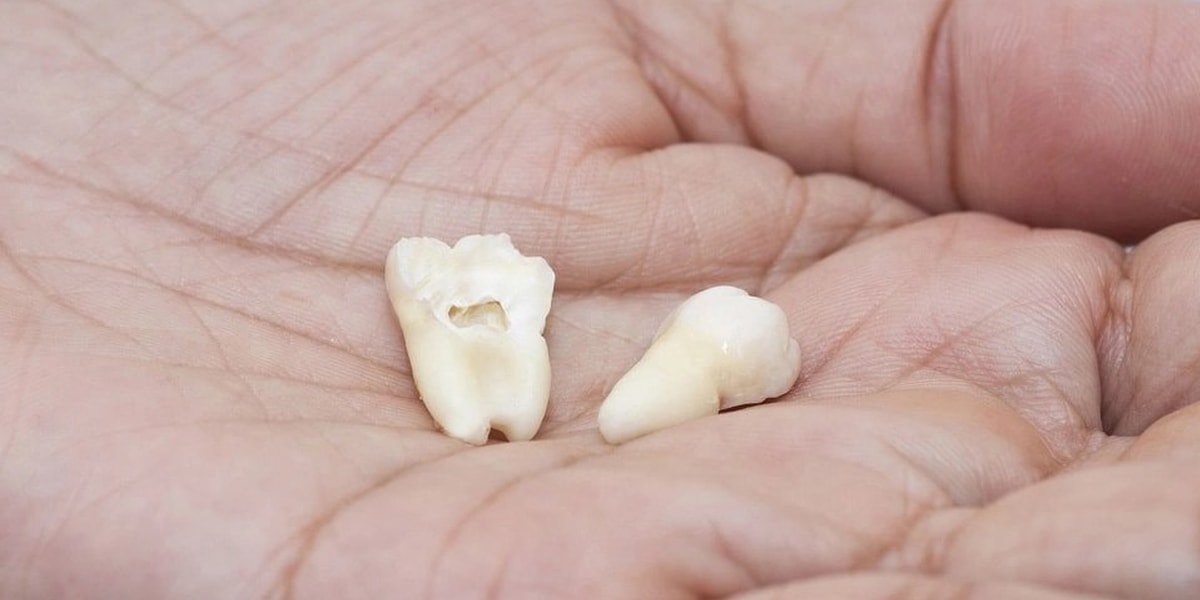
What is Dental Bone Grafting?
Dental bone grafting is a procedure used to rebuild or strengthen the jawbone where an implant may be placed. A bone graft can add volume, improve density, and create a better foundation for future implant treatment.
Bone grafting materials may come from different sources, including processed donor bone, synthetic materials, animal-derived materials, or, in some cases, the patient’s own bone. The goal is to create a scaffold that allows new bone to grow in the treatment area. Oral surgery organizations describe bone grafting as a way to improve bone quantity and quality for proper form and function, especially when preparing for dental implants. A bone graft may be recommended if:
-
- A tooth has been missing for several months or years
- The jawbone has narrowed or weakened
- Gum disease has caused bone loss
- A previous infection damaged the supporting bone
- A tooth extraction site needs support before implant placement
- The implant area does not have enough height, width, or density
If bone grafting is needed, your timeline may be longer because the grafted area needs time to heal before implant placement.
Are Dental Implants Right for You?
Dental implants may be a good option if you:
-
- Are missing one or more teeth
- Have loose or uncomfortable dentures
- Want a fixed replacement instead of a removable appliance
- Have healthy gums or are willing to treat gum disease first
- Have enough jawbone or are a candidate for bone grafting
- Do not smoke, or are willing to reduce smoking during healing
- Can commit to regular dental visits and home care
Implants may not be recommended right away if you have untreated gum disease, uncontrolled diabetes, heavy smoking habits, active infection, or insufficient bone that cannot be predictably rebuilt. These factors do not always rule out implants, but they need to be reviewed carefully. If anxiety is a concern, we can also discuss comfort-focused options such as sedation dentistry.
Call (519) 672-4310 to book an implant consultation or schedule your visit online.

What to Expect During Dental Implant Treatment
Consultation
We begin with an exam, imaging, and a conversation about your goals. We review your missing tooth area, gum health, bone levels, medical history, and restoration options.
Treatment Planning
Your dentist explains whether an implant is suitable, whether bone grafting is needed, what restoration may be used, and how long treatment may take.
Bone Grafting, If Needed
If the jawbone needs more support, a bone graft may be completed before implant placement. Healing can take several months, depending on the extent of grafting and the location.
Implant Placement
The implant post is placed into the jawbone. Over time, the surrounding bone heals around the implant in a process called osseointegration.
Healing Period
Most implant cases require a healing period before the final tooth is attached. This helps create a stable foundation for the restoration.
Abutment and Final Restoration
Once the implant is ready, an abutment and custom crown, bridge, or denture are placed to restore function and appearance.
Maintenance
Dental implants still need regular brushing, flossing, professional cleanings, and dental checkups. With proper care, implants can last many years.

Dental Implants vs. Bridges
Dental implants and bridges can both replace missing teeth, but they work differently. A dental implant replaces the missing root and supports a crown independently. A traditional bridge fills the gap by attaching to neighboring teeth. Implants may be preferred when:
-
- You want a fixed replacement
- Neighboring teeth are healthy and do not need crowns
- You want to help preserve the jawbone in the missing tooth area
- You want a long-term replacement option
A bridge may be preferred when:
-
- Neighboring teeth already need crowns
- Surgery is not recommended
- Treatment speed is a priority
- Bone grafting or implant placement is not suitable
During your consultation, we can compare implants, bridges, and other replacement options based on your specific mouth.
How Much Do Dental Implants Cost in Ontario?
Dental implant cost in Ontario varies based on the number of implants, type of restoration, imaging, bone grafting, sedation, and whether extractions or other procedures are needed.
In Canada, a single dental implant typically ranges from $3,000 to $6,000, including the implant post, abutment, and crown. Current Canadian and Ontario cost guides place single-tooth implants in roughly this range, with additional fees possible for bone grafts, CT scans, sinus lifts, extractions, or temporary restorations. General Canadian cost ranges may include:
-
- Single dental implant: approximately $3,000–$6,000
- Bone grafting: approximately $500–$3,000
- Implant-supported bridge: varies based on the number of implants and teeth replaced
- Full-arch implant treatment: significantly higher and case-dependent
At Wortley Road Dental, we provide a personalized estimate after your consultation. We also review payment options before treatment begins, including insurance, 0% financing, and available support through the Canadian Dental Care Plan.
Dental implants are not always covered by insurance or government dental programs, and coverage can vary by plan. Our team can help you understand what may or may not apply before you make a decision.

Frequently Asked Questions About Dental Implants and Bone Grafting
How long do dental implants last?
Dental implants can last many years with proper care, healthy gums, regular dental visits, and good oral hygiene. The crown or restoration attached to the implant may need replacement over time due to normal wear.
Is bone grafting always needed before a dental implant?
No. Bone grafting is only recommended when there is not enough bone to support an implant safely and predictably. Some patients have enough bone for implant placement without grafting.
Does dental implant treatment hurt?
Implant placement is performed with local anesthetic, and sedation options may be discussed for anxious patients. Some soreness, swelling, or tenderness can occur after treatment, but we provide aftercare instructions to help manage recovery.
How long does the implant process take?
The process may take several months from consultation to final restoration. Cases involving bone grafting usually take longer because the grafted area needs time to heal before implant placement.
Are dental implants better than dentures?
Implants and dentures serve different needs. Implants are fixed or implant-supported and usually provide more stability. Dentures may be more affordable and less invasive. The right option depends on your health, budget, bone support, and goals.

Why Choose Wortley Road Dental for Dental Implants?
Wortley Road Dental provides patient-first implant consultations and restorative care in London, Ontario. Dr. Rand Luka brings more than 20 years of dental surgery experience and focuses on clear treatment planning, practical recommendations, and long-term oral health. Patients visit our clinic because we offer:
-
- Free consultations
- Dental implant and bone grafting evaluations
- Clear cost discussions
- 0% financing options
- Insurance and CDCP guidance
- Comfort-focused care
- Sedation options when appropriate
- Convenient care at 250 Wortley Road in London
We will not pressure you into treatment. If implants are a good fit, we will explain the process clearly. If a crown, bridge, denture, or another option is more appropriate, we will let you know.
Book a Dental Implant Consultation in London
If you are missing one or more teeth and want to explore your replacement options, Wortley Road Dental can help. We’ll assess your smile, review whether you may need bone grafting, explain your options, and help you choose a treatment path that fits your needs. Book your free dental implant consultation today.